


Food processing equipment is judged by its throughput and its hygiene, but both depend heavily on the standard components inside it. For OEMs and machine builders, bearings, feet, fasteners, seals and conveyor parts often decide whether a machine passes the customer’s hygiene audit and keeps running between cleaning cycles.
What counts as food processing equipment?
The term covers everything from slicers, mixers and fillers to conveyors, packaging machines and cleaning systems. What these machines have in common is that they work close to food, are cleaned often and must not contaminate the product. That shared requirement shapes the choice of materials and components far more than the machine type itself.
The components that matter most
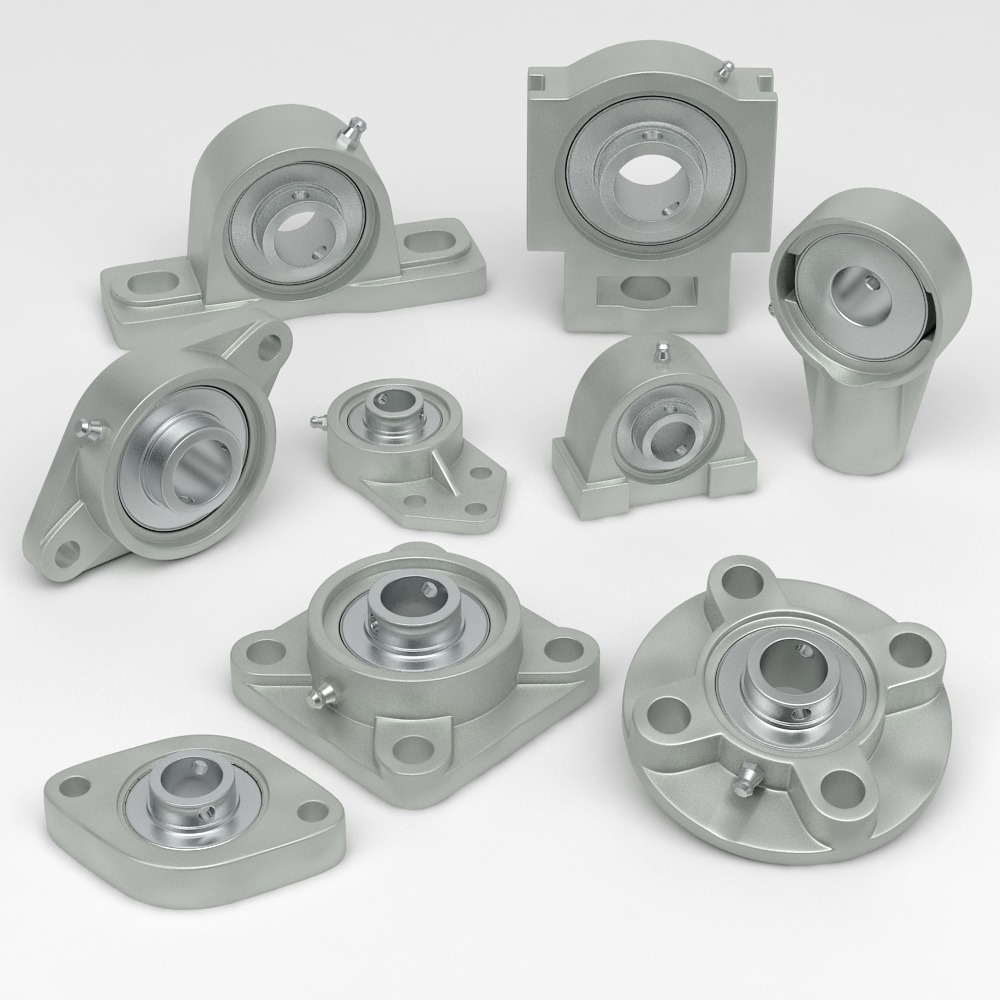
- Bearing units: sealed, corrosion-resistant units with food-grade lubricant avoid both breakdowns and lubricant contamination.
- Machine feet: hygienic leveling feet without exposed threads keep the frame stable and leave no hidden gaps at floor level.
- Fasteners: hygienic bolts and nuts with sealed contact surfaces remove a classic hiding place for bacteria.
- Conveyor parts: side guides, rollers and brackets in stainless steel or approved polymers must be easy to clean and to adjust.
- Elastomers and plastics: seals, pads and wear parts must be suitable for food contact and resistant to the detergents used.
Why standard parts deserve design attention
Machine builders often concentrate on the process function and leave standard parts to the end of the design. That is risky. A single non-hygienic foot or an open bearing housing can create a cleaning problem that the rest of the machine cannot compensate for. Choosing hygienic standard parts early also saves engineering time, because proven components come with documentation that would otherwise have to be produced from scratch.
For a broader overview of food processing equipment and the roles different machines play on a line, it helps to map which components each machine type relies on.
Building a parts list for a new machine
- Define the hygiene zone each component sits in: product contact, splash zone or non-food zone.
- Specify materials per zone, with stainless steel and approved polymers where cleaning is intensive.
- Match ingress protection to the cleaning method, especially where high-pressure washdown is used.
- Standardise sizes across machines to simplify spare parts for your customers.
- Collect certificates and declarations of conformity at the purchasing stage, not after delivery.
Documentation is part of the product
End customers increasingly expect the machine builder to hand over a complete documentation package. For standard parts, that means material certificates, food-contact declarations and, where relevant, hygienic design certification. It is far easier when suppliers can provide these directly. A useful benchmark is the certifications NHK documents for OEM parts, from hygienic design to material compliance.
Standardisation across a machine range
For machine builders with several models, standardising standard parts across the range brings clear benefits. Using the same bearing series, foot types and fasteners simplifies purchasing, reduces stock and shortens assembly time. It also helps customers, who need fewer different spare parts to keep a line running. The key is to select components that cover the most demanding application in the range, so that hygiene and capacity are never compromised on the smaller models. Documentation then only has to be collected once per component and can be reused in every technical file.
Frequently asked questions
Do all parts in a food machine need food-contact approval?
Parts that touch food, or can transfer substances to it, need suitable materials and documentation. Parts in non-food zones have lower requirements, but should still be cleanable.
Is stainless steel always required?
Not always. Approved polymers are often better for wear parts and guides. The decision depends on the zone and the cleaning method.
When should hygienic parts be chosen in the design process?
As early as possible, because they influence frame geometry, mounting points and the documentation plan.
Summary
Treat standard parts as part of the hygienic design from day one. It reduces redesign, shortens approval and gives your customers a machine that is easier to clean and to maintain.